LG: HDR10 No Longer At The Top Of The HDR Hierarchy

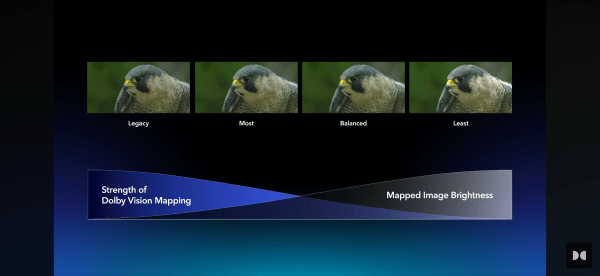
In April, LG published a help guide entitled Dolby Vision vs. IMAX and HDR10: A Comparative Analysis. Here’s some of what the Korean electronics manufacturer had to say about Dolby Vision and HDR10: Dolby Vision “Dolby Vision is a visual technology designed to enhance the viewing experience to unprecedented levels. It empowers visual creatives to... Continue Reading →

The Benefits Of Shooting 8K

Alister Chapman writes about the advantages of 8K and muses whether The Creator shouldn’t have been shot on the Sony A1 rather than the FX3: “Since the launch of Burano I've become more and more convinced of the benefits of an 8K sensor - even if you only ever intend to deliver in 4K, the... Continue Reading →

A Fundamental Difference Between SDR & HDR

“The cinematographer’s job to do good HDR is don't clip the signal.”  Juan Cabrera, Senior Colorist & Founder at LightBenders From On the Calculation and Usage of HDR Static Content Metadata by Michael D. Smith and Michael Zink: “A simple histogram analysis shows the distribution of pixel values within an image and can be used... Continue Reading →

Dolby Vision Profile 20

Profile 20 is the first Dolby Vision profile which supports MV-HEVC and enables the delivery of Stereoscopic (3D) video. All other Dolby Vision profiles only support monoscopic (2D) video, whereas profile 20 is able to carry stereoscopic views and target new devices and use cases. Dolby Vision profile 20 brings forward new capabilities for playback... Continue Reading →

Maxine Gervais & Josh Pines Talk HDR

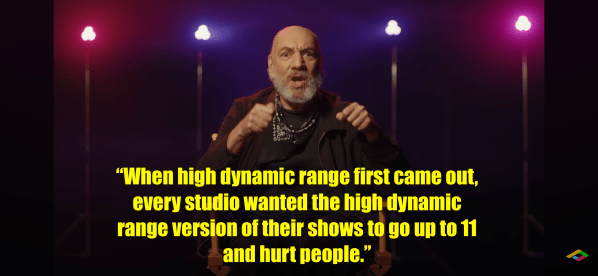
Evolution of Tech & HDR, a segment from the YouTube series ‘Color Masterclass with Joshua Pines and Maxine Gervais’ produced by Portrait Displays, coincided with Netflix’s release of The Brothers Sun, which was graded by Maxine Gervais. Joshua Pines claims that when HDR was in its infancy, all studios endeavored to make the brightest grades... Continue Reading →

High Brightness: The Fly In The Ointment

There’s one crucial aspect that researchers who conducted the viewer brightness preference studies we’ve shared overlooked, and that is 24p motion judder. We doubt that participants in the studies would have preferred 4,000 nits over 1,000 nits had they been shown clips of actors walking in front of bright windows, as students do in the... Continue Reading →

Is Shadow Detail Really HDR’s Greatest Advantage?

High Dynamic Range (HDR) has been praised by filmmakers for its shadow detail, but is that truly HDR’s crowning achievement? In this collection of thoughts from colorists, consultants, cinematographers, researchers, industry organizations, studios and manufacturers, we explore whether this obsession with "seeing into the shadows" overlooks HDR’s real potential. The “Shadows” Camp The visual benefit... Continue Reading →

Hollywood Colorists: TV Marketing Is Wrong. With HDR The Important Thing Is Not Brightness

Panasonic, which has been partnering with Company3 CEO Stefan Sonnenfeld since 2017, invited reviewers to visit the post-production house to promote their TVs. Paolo Centofanti of the Italian tech website DDay.it writes: "According to the colorists of Company 3, the company responsible for the post-production of 80% of Hollywood series and movies, you don't need... Continue Reading →

How Ads Limit Dynamic Range

At the close of episode 3 of the Korean zombie series All of Us Are Dead, the beam of a helicopter searchlight gradually grows larger as the chopper approaches the high school where undead are feasting on classmates until the entire screen is engulfed by blinding white light, and we were eager to see what... Continue Reading →

Blog at WordPress.com.

Up ↑