The Future of HDR

"Technical details aside, the most important thing to understand about HDR is that it doesn’t represent an enhancement as much as the removal of an artificial limitation. In the realm of human vision and physical light, high dynamic range is a default condition, not an added gimmick". - Cullen Kelly In his article entitled 'Three Predictions... Continue Reading →

A Reminder: Avoid Log

For HDR projects, steer clear of recording XAVC S-I 4:2:2 internal if at all possible. Art Adams explains: "The Y’CbCr encoding model is popular because it conceals subsampling artifacts vastly better than does RGB encoding. Sadly, while Y’CbCr works well in Rec 709, it doesn’t work very well for HDR. Because the Y’CbCr values are created... Continue Reading →

DaVinci Resolve Studio 17 HDR Grading Breakdown

Node tree Excessive saturation in the shadows can be unflattering to the talent and clothing and objects in the surroundings can be distracting if left untreated. Reducing saturation is often the preferred method for eliminating unwanted color artifacts in the shadows resulting from extreme color corrections. However, you don't want to desaturate colors all the way to... Continue Reading →

The HDR Effect

"One of the things I've noticed over the years with HDR is once the DP sees the look with the added range they think they may have wanted to adjust the framing. The added levels on highlights and added saturation to highlights pulls the eye around in different ways than when we have a small... Continue Reading →

HDR Nirvana

ASC associate member and American Cinematographer contributing editor Jay Holben discusses HDR from the set to post with Polly Morgan, Markus Förderer, Marshall Adams, Erik Messerschmidt, Jay Holben and Dave Cole, followed by a question and answer session in a new series of in-depth interviews entitled Insights: an incredible wealth of knowledge spread across three absorbing hours. In... Continue Reading →

Criteria for Evaluating Online Instruction

As the number of online HDR tutorials grows, it becomes necessary to separate the wheat from the chaff. The best way to go about that is pretty straightforward - just have a look at the content creators' own footage: is it noisy? blurry? are highlights clipped? how about tonal gradations, or lack thereof? compression artifacts?... Continue Reading →

HDR Quiz

1. On the HDR PQ curve, 100 nits is a. 10% of 10,000 nits peak level b. 25% of 10,000 nits peak level c. 50% of 10,000 nits peak level 2. The maximum pure blue in SDR is 10 nits. Maximum pure blue in HDR is a. 25 nits b. 50 nits c. 110 nits... Continue Reading →

Ashley

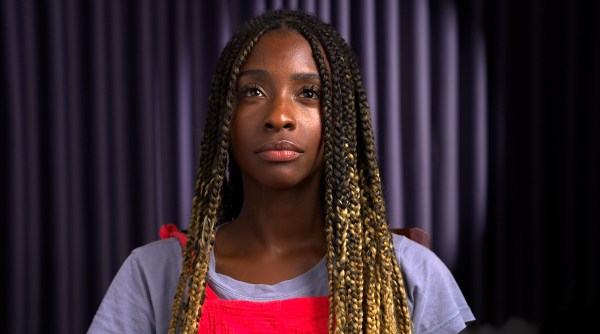
In our long list of pet peeves related to HDR YouTube videos, obscenely bright specular highlights in the subject's teeth must rank among the most distracting. And as luck would have it, last night's shoot provides us with a perfect illustration. Peak highlights are brushing up against 400 nits, already several stops ETTR, but still... Continue Reading →

a7s III Skin Tones

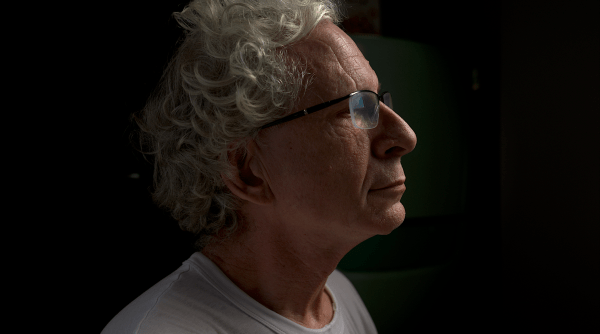
While there are exceptionally few examples of actual living, breathing human beings in HDR YouTube videos, of the negligible number that do exist, too many suffer from one or more of the following: bizarre colors, excessive noise, outrageously intense specular highlights in teeth, eyes or jewelry and an obnoxious lack of tonality, hues, texture and... Continue Reading →

Sony a7s III: Exceptional Value

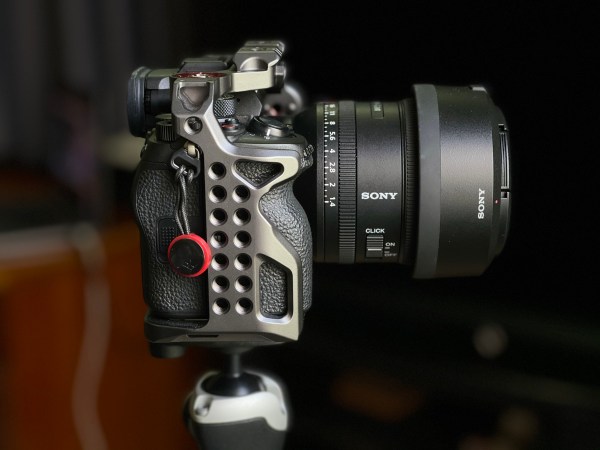
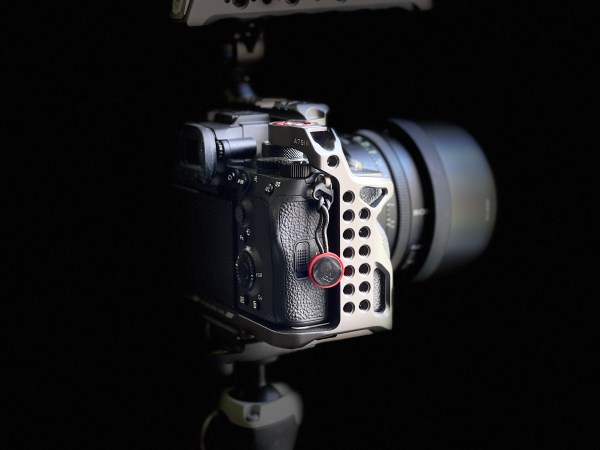
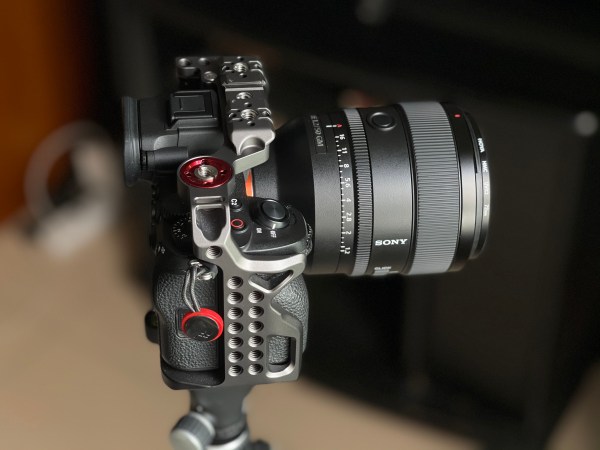
Since we picked up a set of Nanlite Forza LED monolights and started grading ProRes 4444 in DaVinci Resolve Studio 17, it's like we're dealing with a completely new camera altogether! Skin tones are the most accurate we've seen from any mirrorless camera and the image quality rivals that of cinema cameras costing thousands more.... Continue Reading →

Blog at WordPress.com.

Up ↑