The secret is to (a) shoot ProRes RAW HQ; (b) use the false color of the extraordinary Ninja V as a guide; (c) avoid the false colors bright orange and red; (d) transcode to ProRes 4444 in Apple Compressor; then (e) grade in DaVinci Resolve Studio. The shadow, midtone and highlight wheels of Final Cut... Continue Reading →
Ninja V False Color

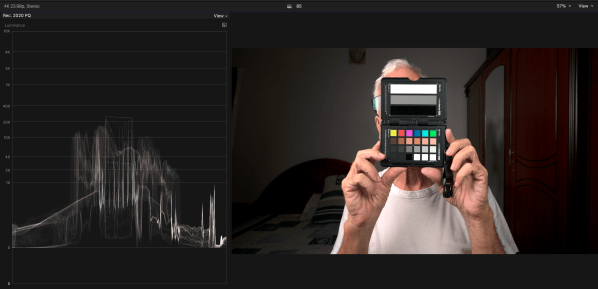
There can never be too many blog posts on exposing for HDR! Ninja V False Color False color is a practically foolproof method for determining exposure for HDR. Avoid bright orange and red - colors that indicate overexposure. DaVinci Resolve 17 waveform before color correction. Although the tee shirt looks completely blown out on our... Continue Reading →
Tribute to Sony a7s III
For a long while now, we've been keenly aware that highlights in skin tones and light-colored fabrics have been difficult if not impossible to recover in post, leading us to re-examine our ETTR method. After watching a video by Gerald Undone, we tried using two zebra settings, aiming for an ETTR of only +1.66 stops... Continue Reading →
Monster Guide: HDR10 in Resolve Studio 21 (Part II)
Part I: Project settings, Project Render Settings, Generate MaxCLL and MaxFall HDR10 Metadata Part II: RAW Part III: The Grade Avoid Y’CbCr Limitations of Y’CbCr with wide colour gamut and high dynamic range Quantization distortions due to bit depth limitations with the increased colour volume. Chroma subsampling distortions due to a perceptually uneven distribution of code words.... Continue Reading →
RAW Power!
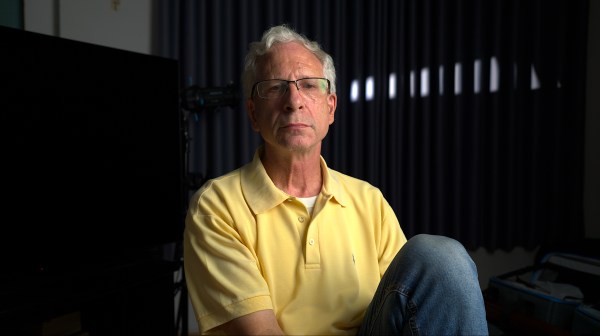
In the video, we demonstrate one way to create depth and contrast for HDR in a hopelessly cramped living space (16 m2) using lighting modifiers - specifically the Nanlite Projection Mount and Aputure Lantern Softbox - along with the Nanlite Forza 300 and Forza 60. Nanlite PJ-FZ60-19, Forza 60 We've spared no effort in order... Continue Reading →
Big Announcement!

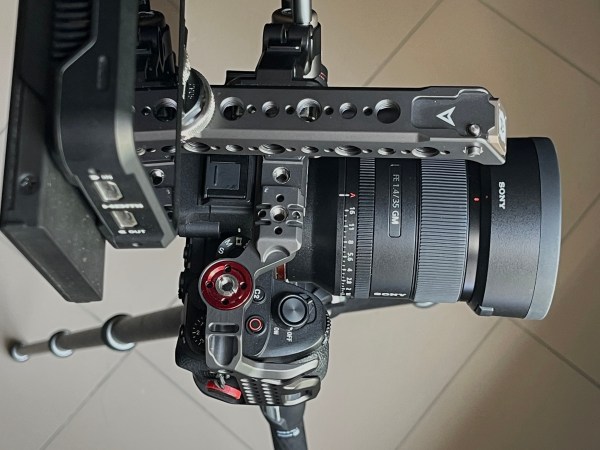
Now that we were able at last to get our hands on an Arca Swiss QR plate and SmallRig swivel and tilt monitor mount for the Tilta a7s III cage, we've got a very portable setup leaving us no more excuses not to shoot RAW with the Ninja V. So in the coming months, expect... Continue Reading →
Resolve 17 HDR Tools (in HDR!)
Of the hundreds of videos on YouTube promising to demonstrate the spectacular new features in DaVinci Resolve 17, nearly all are in low dynamic range. It's our belief that those who've only watched the LDR tutorials are really being deprived of understanding just how powerful new tools like the Color Warper and HDR Color Palette... Continue Reading →
Gerald Undone’s a7s III Exposure Settings (in HDR)
We put Gerald Undone's recommended exposure settings for S-Log3 to the test! He suggests setting C1 to Std+Range 55% for 18% gray, then using C2 Lower Limit 94+ to check for highlight clipping, resulting in an ETTR of +1.66. Previously, we just used the C2 setting by itself but often found it difficult to recover... Continue Reading →
Adjusting Exposure in Final Cut Pro
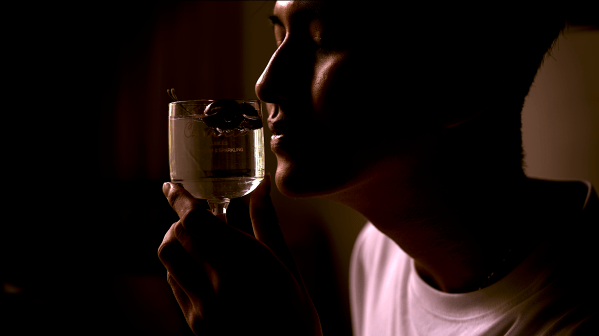
I was just in the middle of doing yet more tests to determine the very best zebra settings for the a7s III when I came across this - arguably the single most important step toward getting vibrant, contrasty, High Dynamic Range images in Final Cut Pro - adjusting exposure. Simply pulling shadows down till they... Continue Reading →
Upgrade to the 50mm f/1.2 GM?
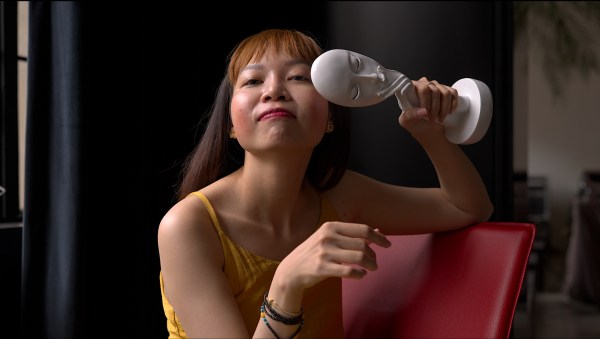
Buying the latest and greatest is seriously tempting, but is it really worthwhile? Going from the MeFoto RoadTrip to a Gitzo carbon fiber tripod; from the a7 III to the a7s III; from the Shogun Inferno to the Ninja V; and from the iPhone 7 to the iPhone 12 Pro Max: those were all substantial... Continue Reading →
Monster Guide: HDR10 in Resolve Studio 21 (Part I)
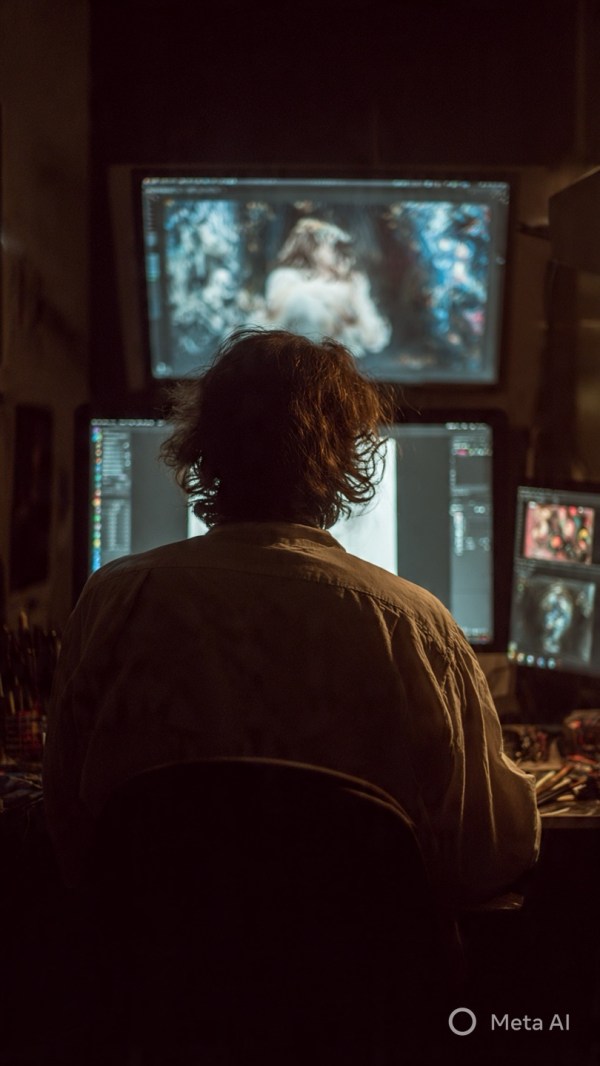
Part I: Project settings, Project Render Settings, Generate MaxCLL and MaxFall HDR10 Metadata Part II: RAW Part III: The Grade Note: The information in this guide is continually revised and expanded and the reader is urged to check back occasionally for updates. The current recommendations are valid as of macOS Tahoe version 26.3.1, DaVinci Resolve Studio 21... Continue Reading →
Calibration Obsession
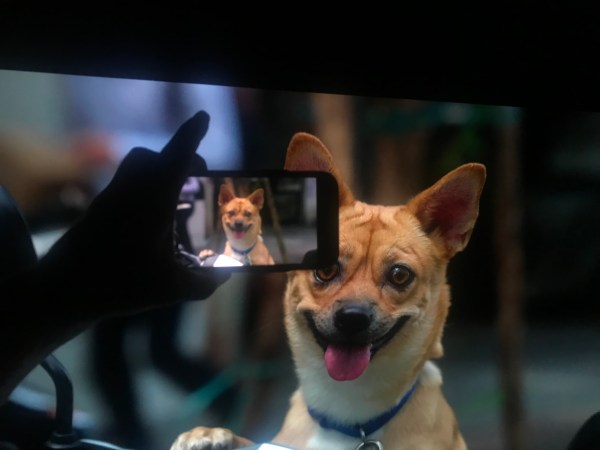
If I want accurate colors from my a7s III, I shoot the X-Rite ColorChecker Passport Video, and in post, (1) I pull diffuse white down to 200 nits; (2) white balance using the white, grey and black chips, color curves and RGB overlay; (3) correct colors using the color chips, vectorscope and hue vs. hue;... Continue Reading →
HDR: The Single Most Overlooked Aspect
There have been countless videos and articles explaining what high dynamic range is, with nearly all focusing on the technical aspects: acquisition requirements (e.g. frame rates, resolution, bit depth, color gamut, dynamic range and so forth), followed by reviews of consumer televisions (measurements of screen uniformity, peak brightness, color accuracy, etc.) and more recently, tests... Continue Reading →
HDR Reference White
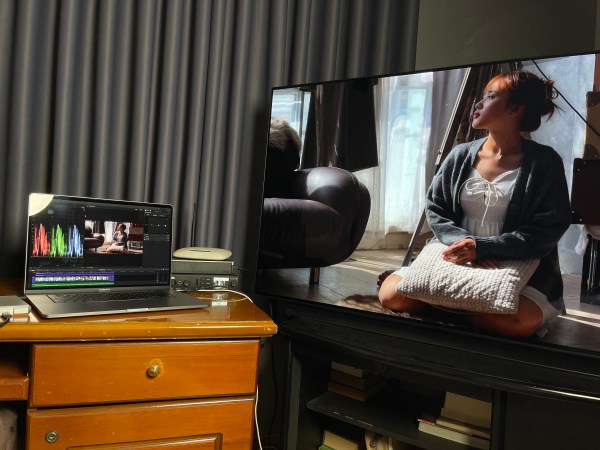
The ITU-R BT.2408 document describes a reference (i.e. diffuse) white level for HDR content of 203 nits. It might seem logical therefore to render SDR content at 203 nits peak, by simply scaling the luminance. Recent research suggests that this approach does not preserve the ‘look’ and ‘creative intent’ of SDR content. In addition, despite... Continue Reading →
iPhone 12 Pro as a Consumer Reference Display (cont’d)
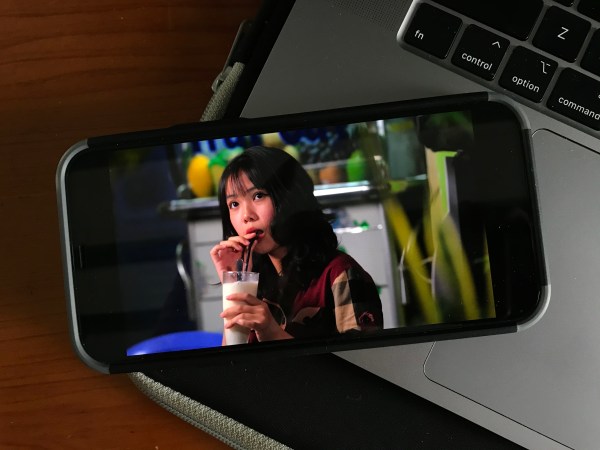
Part I: The iPhone 12 Pro Max as a Consumer Reference Monitor Part II: iPhone 12 Pro as a Consumer Reference Display (cont’d) Part III: iOS Devices as Client Reference Monitors Part IV: Consumer Displays: When Your Client is David Fincher A few years back, when a younger, more handsome Vincent Teoh of HDTVTest declared in his review... Continue Reading →
HDR Grading Tips
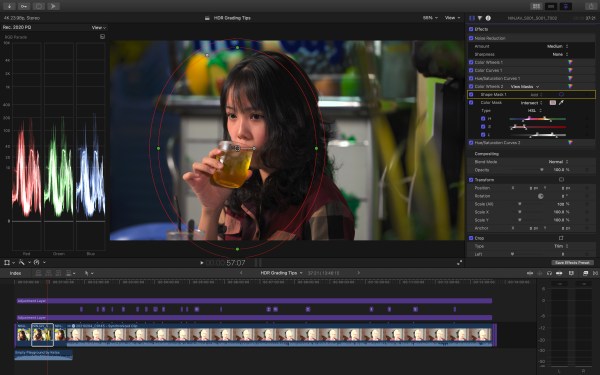
My longest HDR video to date, it took Compressor a ridiculous 4-1/2 hours to create the HEVC 10-bit file and an additional 24 hours for YouTube to finish processing the HD version! I’ve received many requests to do an HDR grading tutorial on YouTube, but a screen recording with QuickTime would be in SDR with... Continue Reading →
My Most Successful HDR Video Yet
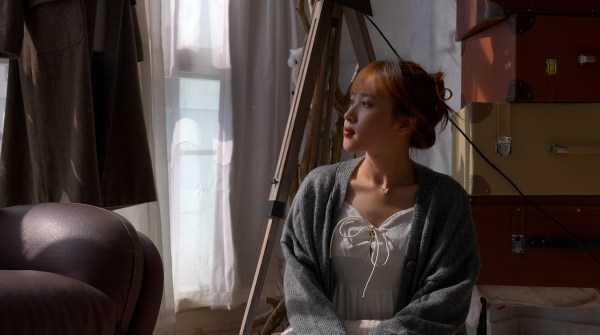
This is perhaps the first of my videos that really begins to use light in a way that takes advantage of HDR rather than being a video that just happens to be mastered in HDR. Not that there aren't numerous benefits to uploading even videos with limited dynamic range as HDR, including greater perceived sharpness,... Continue Reading →
At Last! LG 32EP950 OLED Monitor
At the moment, with just two manufacturers currently occupying the consumer HDR monitor space - Asus, with their ProArt series and Apple’s Pro Display XDR - LG looks poised to leapfrog them both with their newly announced 32” OLED display. Both the Pro Display XDR and ProArt series use mini LED technology, which suffers from... Continue Reading →
 The Daejeon Chronicles