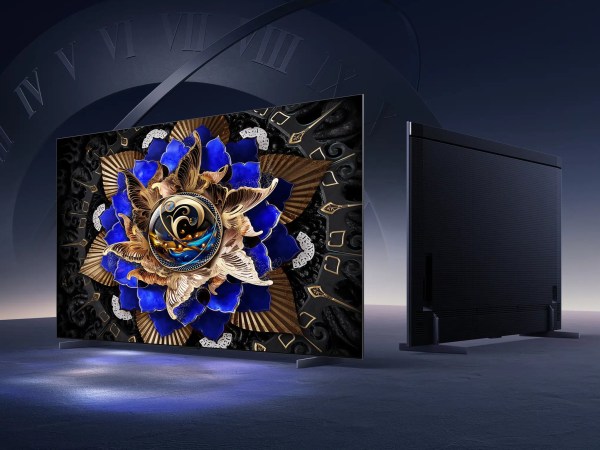
TCL Launches 5,000-Nit QD-MiniLED TV In China

The TCL X11G Smart TV is sold exclusively in China and is available in 75-in ($2,905), 85-in ($4,067) and 98-in ($6,537) sizes. The 4K television boasts 5,184 zones, a whopping 5,000 nits of HDR goodness and supports Dolby Vision IQ, HDR10+ and HLG. No word yet whether it will be available in other countries.

Sony Engineer: External Metadata Not Necessary To Preserve Creative Intent

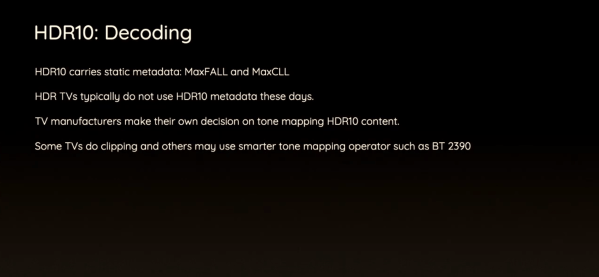
Toshiyuki Gura, Chief Distinguished Engineer, Sony, declared at the 2018 IEEE Broadcast Symposium that external metadata isn’t necessary to preserve creative intent. https://youtu.be/CfNatefiAP8 Which isn’t all that surprising, given that SMPTE defines HDR10 metadata, but not what televisions should do with it. Other manufacturers also ignore static metadata, applying instead their own tone mapping on... Continue Reading →

MiniLED vs OLED!

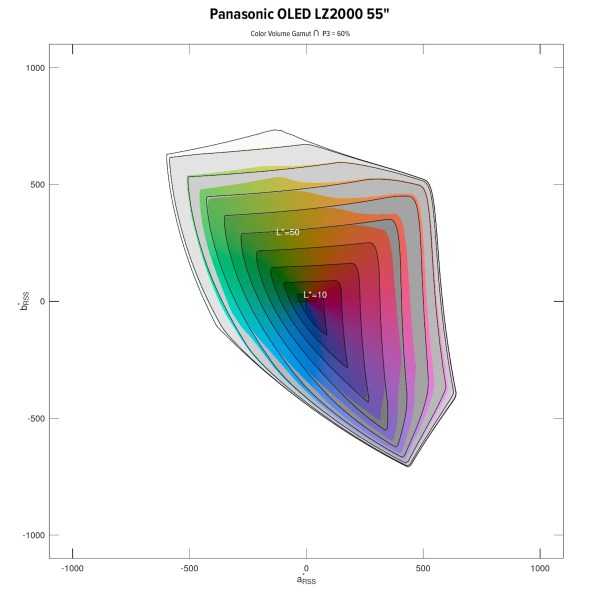
The Liquid Retina XDR miniLED display of the MacBook Pro (2021) has greater brightness and something like double the color volume of the LG CX, making it possible to see details in highlights and color differences that are indiscernible on the OLED display. On the other hand, the larger size of the TV makes it... Continue Reading →

DaVinci Resolve HDR Palette

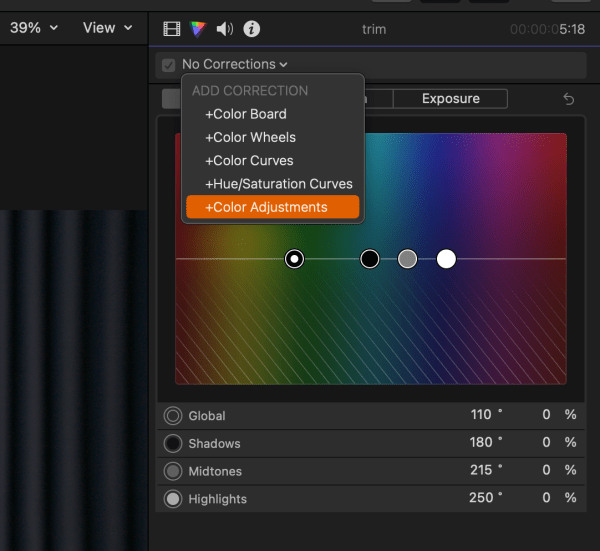
Can't say how much we appreciate the HDR Palette and customizable zones in DaVinci Resolve. In the screenshot, we targeted the tiny bit of light outdoors. You've still got to watch the waveform monitor when making adjustments though, since even when it looks like an area has been isolated in the viewer, the actual coverage... Continue Reading →

HDR: Does Pupil Variability Cause Excruciating Agony?

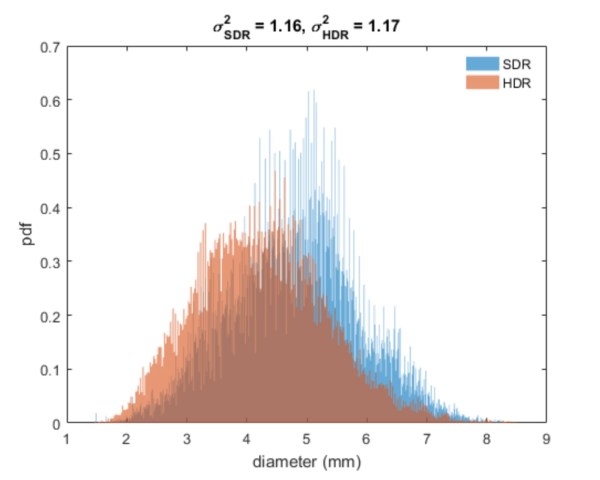
Pupillometry of HDR Video Viewing. Scott Daly, Evan Gittermana, and Grant Mulliken. Dolby Laboratories, Inc., San Francisco, CA, USA Apple, Cupertino, CA, USA An excellent study by researchers from Apple and Dolby Laboratories investigates a common assumption that increased pupil variability causes discomfort while consuming HDR content. https://youtu.be/zl31JrOWiEg SDR version of the short film ‘Telescope’... Continue Reading →

Chasing middle gray

“We’re no longer exposing for middle gray and letting the rest “roll off.” […] Through all of these techniques, it’s important to recognize that our old friend and exposure aid, middle (18%) gray, will be of limited usefulness, as middle gray will shift with the audience’s adaptation to brightness changes. It may be possible for... Continue Reading →

A Cinema Luminance Range by the People, for the People: Viewer Preferences on Luminance Limits for a Large-Screen Environment, by Suzanne Farrell, Timo Kunkel, and Scott Daly

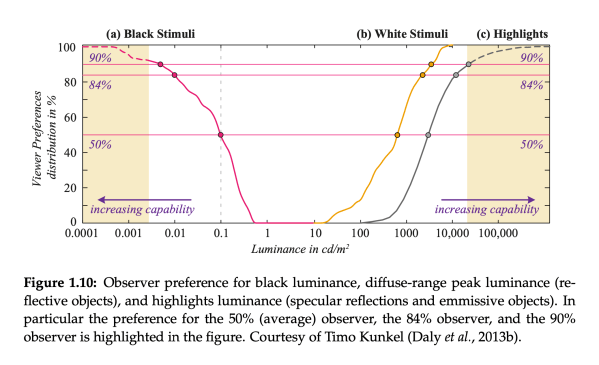
A number of websites have published the findings of Dolby's study of luminance preferences for the small screen, yet they all but ignore the fact that Dolby also conducted a similar study with a large screen. Many assume that the larger screen in a movie theater only needs a fraction of the luminance of a... Continue Reading →

HDR Panelist Calls Colorists Children

At a BSC panel on HDR back in 2016, a speaker loses his mind over what will become of all of his beloved muddy DVDs and Blu-rays once they are remastered in high dynamic range, condescendingly referring to professional colorists as 'kids'. ARRI colorist Florian 'Utsi' Martin, sitting beside him, looks very uncomfortable.

HDR Requires Larger LUTs

JD Vandenberg, Director of Post Production @ The Walt Disney Studios, found that 33X33X33 LUTs developed for SDR are too small for working with HDR footage. So what’s the minimum size 3D LUT required to minimize visual artifacts in PQ HDR content? Vandenberg’s study concluded that 10-bit material necessitates the use of LUTs that are... Continue Reading →

Blog at WordPress.com.

Up ↑