While calibrating a new MacBook Pro with miniLED display, BenQ ambassador Art Suwansang had this to say: “A few things I wanted to share while this is flashing all these different cool amazing colors is that how the display behaves when you change into different reference modes is very similar to that of a hardware... Continue Reading →
Our Response to a Colorist Insisting HDR YouTube Videos Can’t Be Graded on a Mac
All we’ve got to say is how grateful we are for the handful of intrepid YouTubers working with less than Grade 1B reference monitors, because it seems the only ones who can justify purchasing $30,000 displays are post production houses working on multimillion dollar shows that are lit in an SDR environment and monitored in... Continue Reading →
Sketchy Rollout of BRAW

While the future of ProRes RAW looks perfectly secure, regrettably, the same cannot be said for Blackmagic RAW. Concerning which, in his review of the Sigma fp L, Gerald Undone reports that the "4K image recorded over HDMI RAW is a soft, artifacty, aliased mess, and doesn't look anywhere near as good as the CinemaDNG... Continue Reading →
FSI to Release 5,000 Nit Mastering Monitor This Fall

FSI will be releasing the XM312U this fall - a 5,000 nit mastering monitor with 2,300 individually controlled LED backlight zones and priced at $22,000. It appears that we'll be reaching the dizzying 10,000 nit peak brightness of PQ HDR sooner than most people think. Keep in mind though, that with PQ HDR, anything above 100-200... Continue Reading →
Consumer Displays: When Your Client is David Fincher
Part I: The iPhone 12 Pro Max as a Consumer Reference Monitor Part II: iPhone 12 Pro as a Consumer Reference Display (cont’d) Part III: iOS Devices as Client Reference Monitors Part IV: Consumer Displays: When Your Client is David Fincher Dolby Vision calls for calibrated consumer displays in the grading suite but what is one to do... Continue Reading →
Why HDR Production Monitors Matter, Part IV
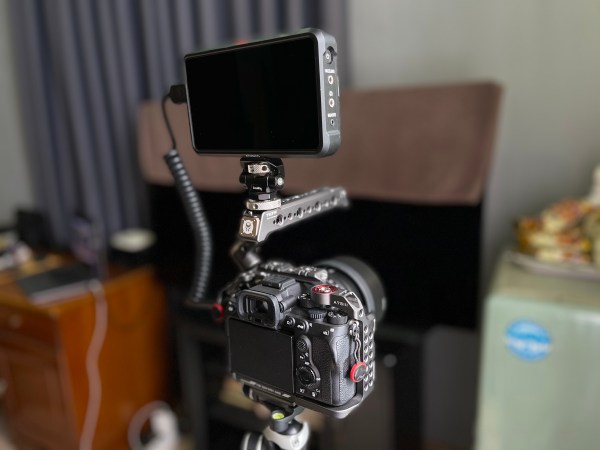
Why HDR Production Monitors Matter, Part I Why HDR Production Monitors Matter, Part II Why HDR Production Monitors Matter, Part III Why HDR Production Monitors Matter, Part IV Atomos: Outlook The forecast for Atomos, which designs, manufactures and distributes monitor/recorders which range in price from USD $299 - $6,499, with a gross margin of around... Continue Reading →
Strategies for HDR Monitoring on a Budget
Why HDR Production Monitors Matter, Part I Why HDR Production Monitors Matter, Part II Why HDR Production Monitors Matter, Part III Why HDR Production Monitors Matter, Part IV Acknowledging that HDR monitoring for every display on-set for the entire length of a production is prohibitively expensive for most productions, Netflix proposes three alternatives: CAMERA TESTS (E.G. HAIR... Continue Reading →
Why HDR Production Monitors Matter, Part II
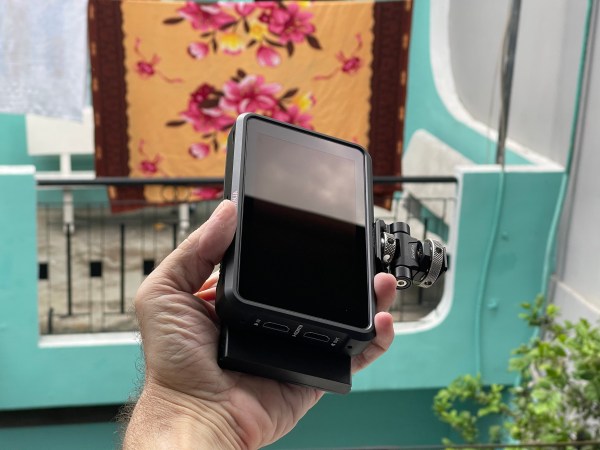
Why HDR Production Monitors Matter, Part I Why HDR Production Monitors Matter, Part II Why HDR Production Monitors Matter, Part III Why HDR Production Monitors Matter, Part IV I sort of equate shooting in SDR and finishing in HDR [to] shooting on film but exposing it on the video tap. You know you're only looking... Continue Reading →
iOS Devices as Client Reference Monitors
Part I: The iPhone 12 Pro Max as a Consumer Reference Monitor Part II: iPhone 12 Pro as a Consumer Reference Display (cont’d) Part III: iOS Devices as Client Reference Monitors Part IV: Consumer Displays: When Your Client is David Fincher We've already talked about how important smartphones can be when evaluating content made for YouTube. Post-production houses... Continue Reading →
Why HDR Production Monitors Matter, Part I
Why HDR Production Monitors Matter, Part I Why HDR Production Monitors Matter, Part II Why HDR Production Monitors Matter, Part III Why HDR Production Monitors Matter, Part IV “Unnecessary.” “Not possible.” “Fantasy.” Those are the words of a director of photography, slumming in L.A. since wrapping up shooting of a satirical period piece for Hulu,... Continue Reading →
LG G1 vs. Sony A90J: Which Is Best for Content Creators?
Vincent Theo of HDTVTest fame recently compared LG's G1 OLED to Sony's A90J, which in an earlier review he announced produced the most impactful HDR he'd ever seen from an OLED TV. Which is best for content creators who can't afford a USD $30,000 reference monitor? Sony's WRGB quad sub-pixel boosting A common complaint of... Continue Reading →
LG CX: How To Kill Annoying Apps Launcher

If you use your LG OLED as a grading monitor, few things are as infuriating as having the apps launcher pop up every time you get ready to work on a project. I believe my television started behaving like that with the latest firmware update, not sure. Anyhow, here's how to immobilize the dreaded apps... Continue Reading →
Calibration Obsession
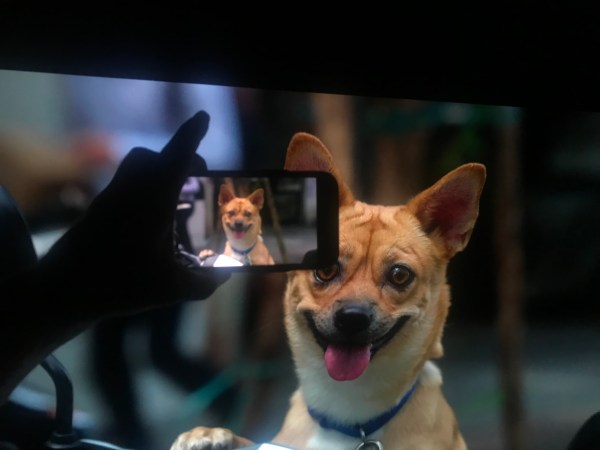
If I want accurate colors from my a7s III, I shoot the X-Rite ColorChecker Passport Video, and in post, (1) I pull diffuse white down to 200 nits; (2) white balance using the white, grey and black chips, color curves and RGB overlay; (3) correct colors using the color chips, vectorscope and hue vs. hue;... Continue Reading →
iPhone 12 Pro as a Consumer Reference Display (cont’d)
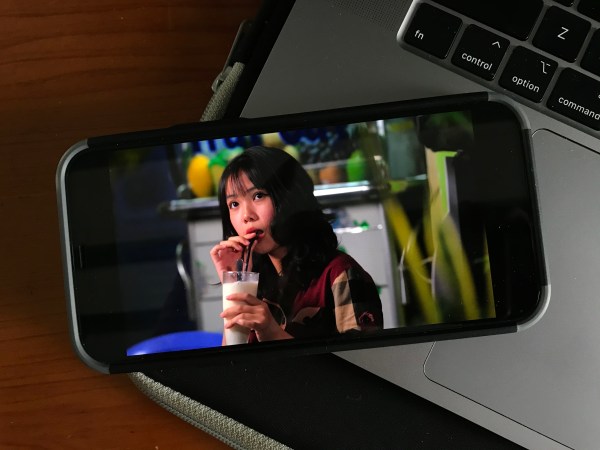
Part I: The iPhone 12 Pro Max as a Consumer Reference Monitor Part II: iPhone 12 Pro as a Consumer Reference Display (cont’d) Part III: iOS Devices as Client Reference Monitors Part IV: Consumer Displays: When Your Client is David Fincher A few years back, when a younger, more handsome Vincent Teoh of HDTVTest declared in his review... Continue Reading →
At Last! LG 32EP950 OLED Monitor
At the moment, with just two manufacturers currently occupying the consumer HDR monitor space - Asus, with their ProArt series and Apple’s Pro Display XDR - LG looks poised to leapfrog them both with their newly announced 32” OLED display. Both the Pro Display XDR and ProArt series use mini LED technology, which suffers from... Continue Reading →
MicroLED Is A Pipe Dream
For a while now, any time OLED television sets are mentioned, online commenters raise the spectre of burn-in and suggest waiting for microLED, which they insist is just around the corner. Like OLED, microLED is a self-emissive technology capable of true blacks, infinite contrast and outstanding viewing angles but with a brighter output than OLED... Continue Reading →
Switching to Resolve!
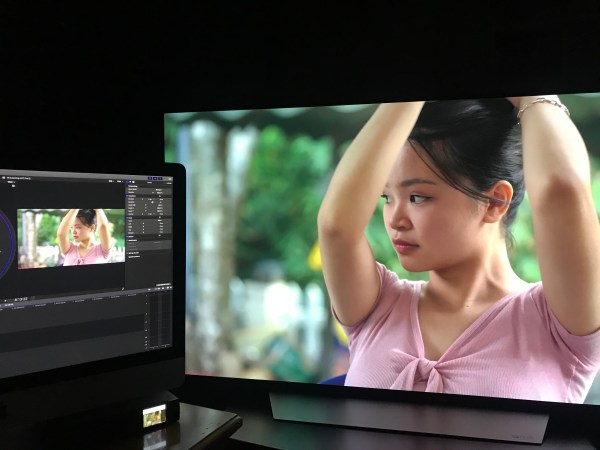
After months of agonizing, I finally broke down and hired a professional calibration technician to adjust my LG OLED C7, calling the very first name that popped up in a Google search for Ho Chi Minh City. The price was steep - $300.00 - but the quest for perfect color has become a crazy obsession.... Continue Reading →
Vincent Teoh: Colorists Should Consider an OLED TV
https://youtu.be/VDG_lmEPc_g?t=1013 Vincent Teoh, in his unboxing video of the Panasonic HZ1000 OLED TV, corroborates what I've been saying for months now, which is that an OLED display should outperform Apple's Pro Display XDR for HDR grading, and just might be the best budget option short of a reference monitor. When I reviewed the Apple Pro... Continue Reading →
Should You Be Using a Production Monitor for Grading HDR in 2020?
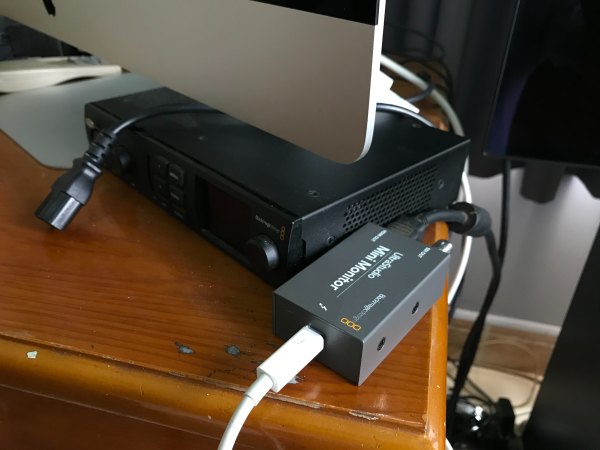
Just a few years ago, when HDR was still in its infancy and VESA had not yet even published standards for HDR monitors, Atomos, along with Mystery Box and several other influential content creators, were advocating the use of production monitors for grading HDR video on a budget - with some even going so far... Continue Reading →
Continuing Impressions of Using an OLED TV for Grading
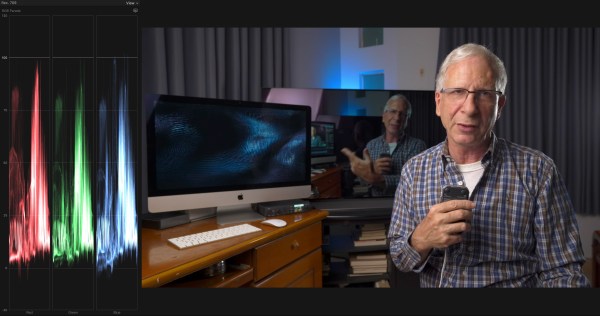
https://youtu.be/nFG1XpcK2pE In this video, I give some brief early impressions of using an OLED TV for grading, how I think the soon-to-be released LG CX 48" OLED could be ideal for filmmakers and how I messed up the skin tones in my last video. 1. Straight out of camera. 2. Leeming LUT applied. 3. Graded... Continue Reading →
 The Daejeon Chronicles