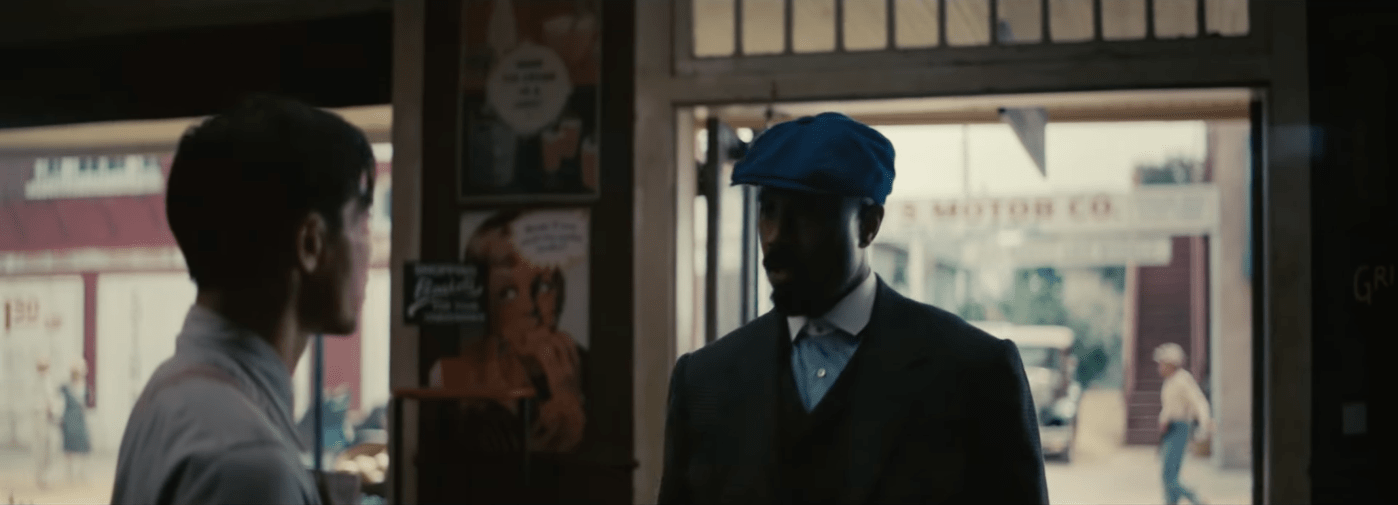
There’s a moment in the conversation between Dolby Creator Talks producer Michael Coleman and cinematographer Autumn Durald Arkapaw that caught me completely off guard. Coleman describes watching a scene in “Sinners” where Smoke (Michael B. Jordan) enters a general store and he was overcome with gratitude: “Thank God we can see out in the street—like, we can see what’s going on out there.”
The ability to perceive detail outside a window while remaining inside a dimly lit interior represents something I’ve been writing about for years.
Arkapaw’s response reveals why this moment exists, and why it’s increasingly rare.
“I Can’t Stand Severe Overexposure”
Arkapaw is refreshingly candid about her philosophy: “I can’t stand severe overexposure, especially in digital. In film you have a little bit more leeway there, but I still want to see everything, because if I want something to blow out, that’s a choice. But I can do that later.”
This is the principle of highlight protection—exposing not for middle gray, but for the brightest elements in the frame. It’s the inverse of conventional practice. Most cinematographers expose for their subject and accept that windows, skies, and practicals will clip.
The Hidden Cost
Here’s where Arkapaw says something that deserves to be emblazoned on every production office wall:
“It takes a lot more light and it takes a lot more work when you do things like that. So, you have to be on board to ask for what you need and rigging and having that level of light, you know, obviously costs a bit more money when you’re doing that.”
Protecting highlights means more money, more time, more resources. It means rigging additional lighting units to balance interior illumination against exterior daylight. It means careful planning to avoid the trap Arkapaw identifies: overlighting your interior so aggressively that “everyone knows that the reason why you did that was so that you could expose the window.”
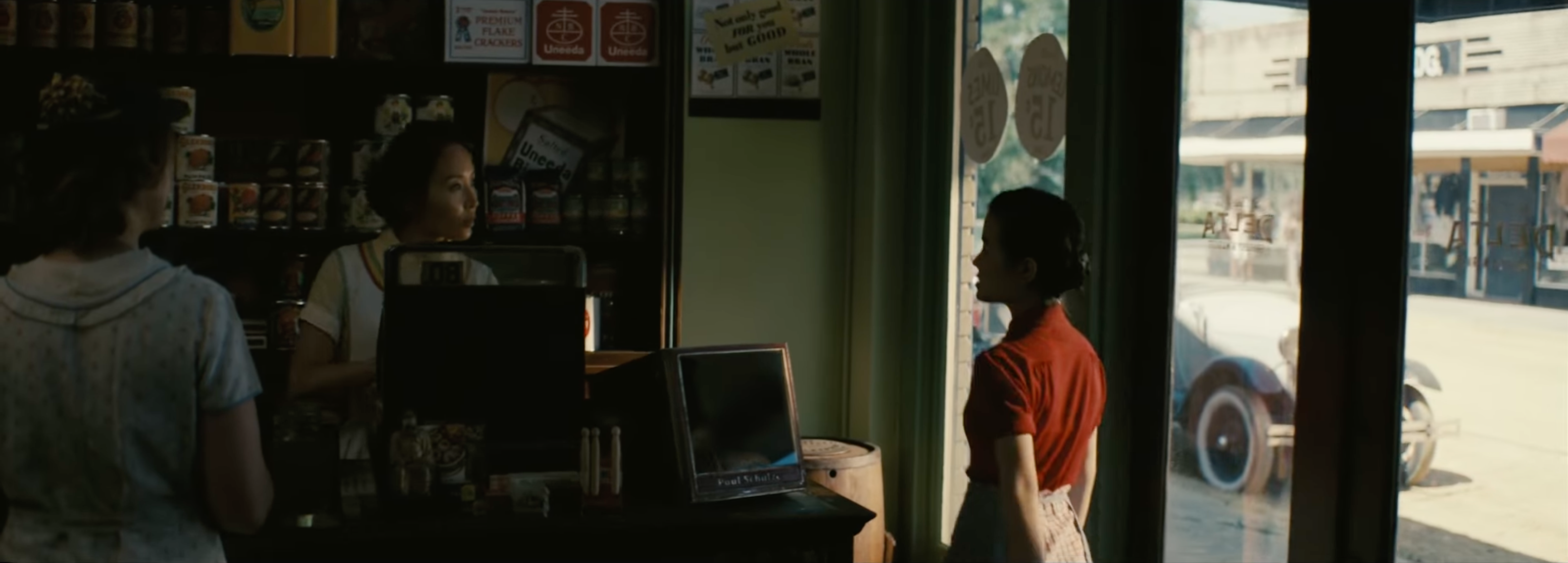
The store scene in “Sinners” represents this delicate marriage. Shot in New Orleans on what Arkapaw describes as “a very sunny day,” the sequence required precise exposure balancing for shots that move from interior to exterior and back again. It required “a lot of planning and a lot of work.”
HDR’s First Commandment
Arkapaw’s approach aligns perfectly with what HDR colorists have been imploring cinematographers to understand. As Juan L. Cabrera, supervising colorist at LightBender, puts it: “The cinematographer’s job to do good HDR is don’t clip the signal. That’s it.”
Clipping As A Deliberate Stylistic Decision
Erik Messerschmidt argues that “clipped highlights are a creative choice. They always have been,” citing classics like “Klute” and “The Godfather Part II” as precedents.
Arkapaw understands this. Her philosophy—”if I want something to blow out, that’s a choice”—acknowledges that clipping can indeed be creative. But she insists on making that choice in post, with the full range of options available, rather than having it forced upon her by exposure decisions made on set.
The Collaboration Required
The general store scene in “Sinners” didn’t happen by accident. It emerged from the collaborative framework Arkapaw describes in the interview: “When we approach stuff, we want the lighting to be a character, but we also want it to feel of the space — and so that requires us to collaborate very closely with production design.”
The Personal Philosophy
What is most striking about Arkapaw’s explanation is its honesty. She doesn’t justify her approach with technical arguments about HDR deliverables or post-production flexibility—she simply says, “it’s just a personal irritation I have.”
Arkapaw protects highlights not because someone told her to, but because clipping offends her aesthetic sensibilities. And that visceral reaction is what drives her to demand the additional time, money, and resources required to do it right.
“I’d rather have the highlights exposed, bring up the shadows than have the highlights overexposed and my shadows exposed well.”
Arkapaw’s commitment to protecting highlights—despite the additional cost and complexity—reflects a deeper commitment to the integrity of the image. She refuses to accept the shortcuts that would make her work easier but diminish its impact. And for that we’re grateful.
“Sinners” was shot on IMAX 65mm film and is available in Dolby Vision on HBO Max. The full conversation with Autumn Durald Arkapaw is available on the Dolby Creator Talks YouTube channel.
The Cinematography of Sinners, with Autumn Durald Arkapaw, ASC | Dolby Creator Talks | Dolby YouTube Channel | Feb. 24, 2026
 The Daejeon Chronicles
Leave a Reply