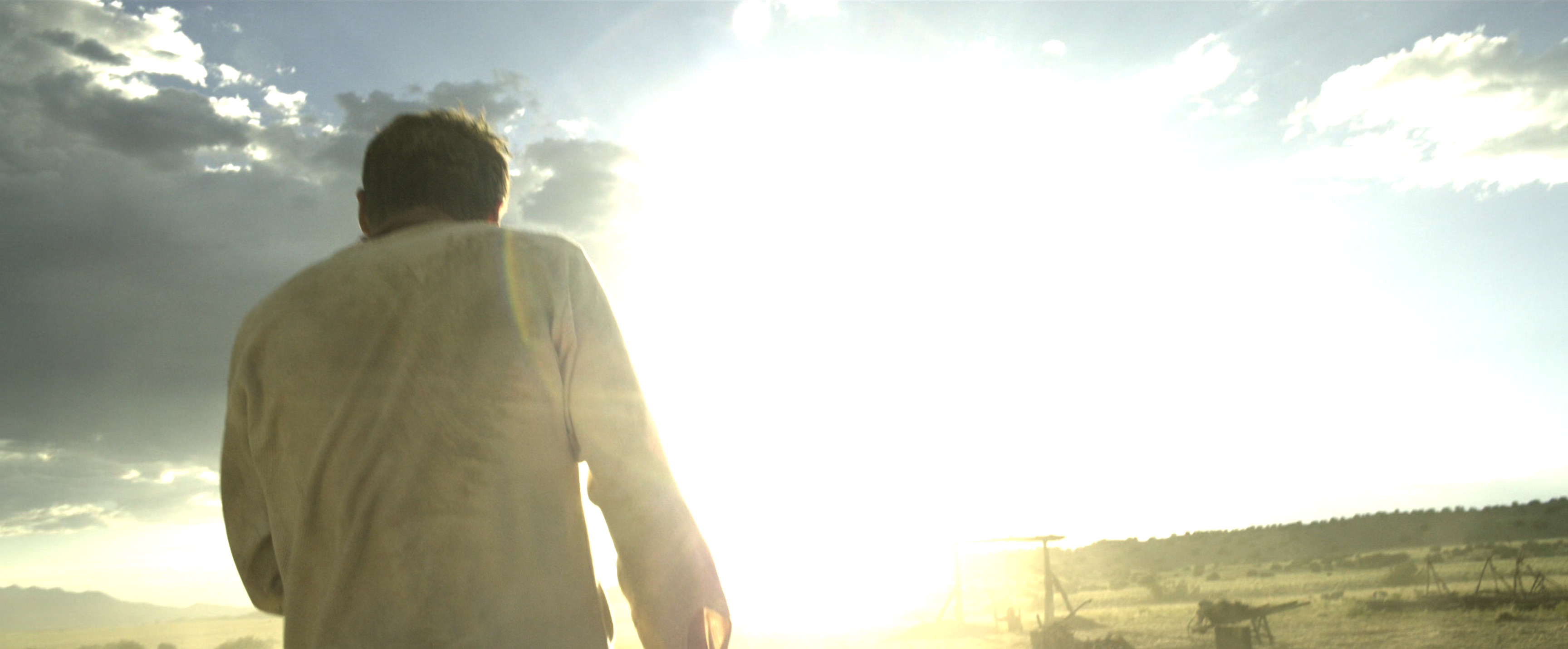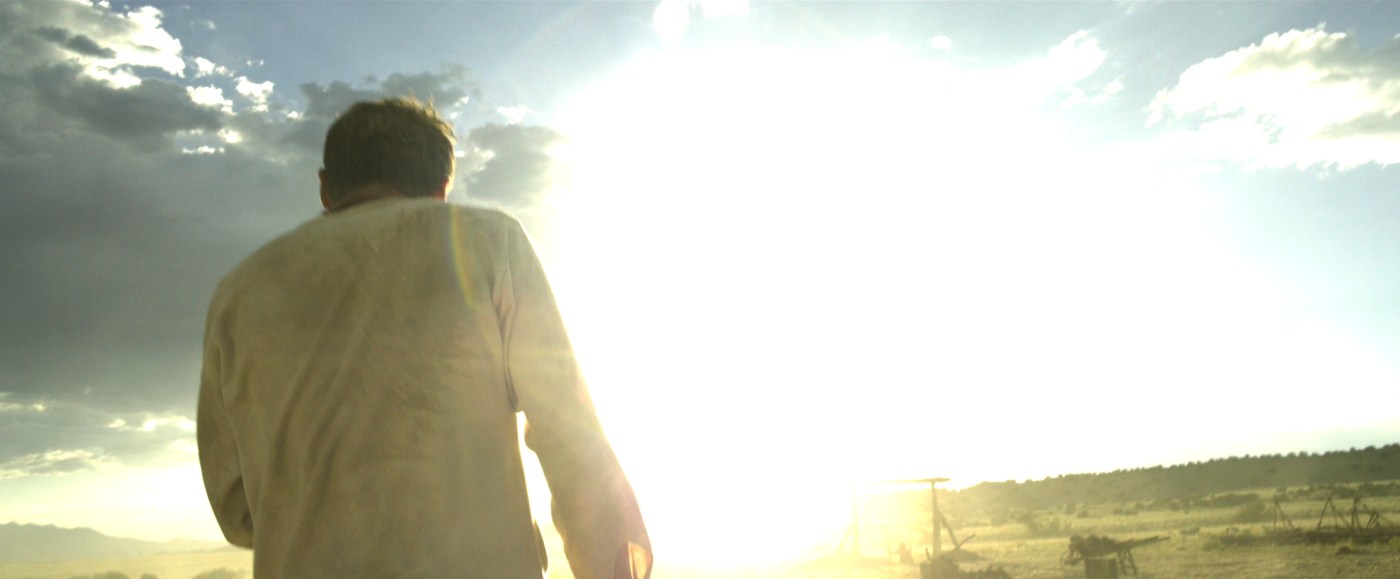
The number one job of the cinematographer is to not clip the highlights.
Description:
“Blown-out/ Clipped Whites” refers to an image’s highlights exceeding the maximum reproducible video level. This causes overexposure in the highlights and an overall loss of detail in the portions of the image where max luminance approaches true white.
Impact:
Blown-out/clipped whites negatively impact the member experience, when there is any loss of detail. Creatively intended visuals may be lost.
How to Prevent:
Be aware of camera aperture settings to ensure proper exposure.
Source: Netflix Branded Content QC Issues
“It is critical to properly expose when shooting for HDR. Clipped highlights can look very distracting in HDR, as there will be no detail in a large region of the image.”
– ARRI, HDR FAQ
According to researchers, highlight clipping is common in SDR content but rare in HDR content, which marks a fundamental difference between the two formats:
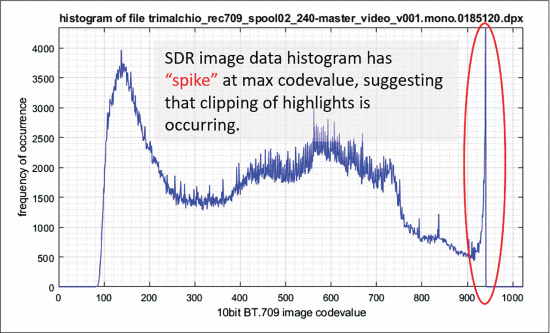
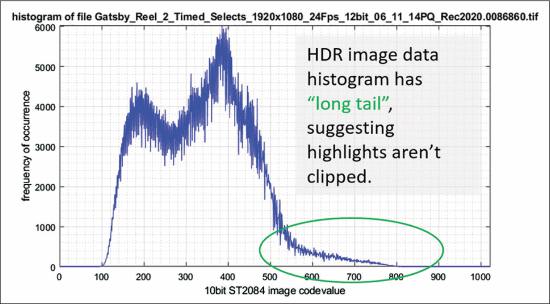
“A simple histogram analysis shows the distribution of pixel values within an image and can be used to explain some fundamental differences between standard dynamic range (SDR) and HDR imagery. Histograms of the same frame in SDR and HDR formats are shown in Figs. 1 and 2. […] The SDR histogram in Fig. 1 shows a “spike” at the maximum code value, suggesting that clipping of the highlights is occurring, which is quite common in SDR imagery. The “long tail” in the HDR histogram in Fig. 2 suggests that the highlights from the same scene are not clipped in the HDR version.”
– Michael D. Smith and Michael Zink, “On the Calculation and Usage of HDR Static Content Metadata,” SMPTE Motion Imaging Journal, Volume 130, Issue 7 (2021-08)
“Be careful not to clip highlights in the HDR master as these cannot be recovered in the mapped/derived Rec.709 SDR version.”
– Dolby Professional Support, “Dolby Vision Content Creation Best Practices Guide,” 0ct. 19, 2023
“The most important general recommendation that can be offered for shooting HDR content is to monitor the images at the dynamic range they will be distributed. While this may seem obvious, there always exists the temptation to use SDR monitoring equipment to more or less imagine how the images will translate in HDR. This approach can lead to unhappy surprises in the color grading process. To name a few, noise will increase visually as the dynamic range of images increases, motion judder will become more noticeable, and any over-exposed or sensor-clipped regions (e.g. practical lights) in the image become far more distracting in HDR…”
– “HDR Guidelines For Production, Post, And Distribution,” HDR4EU
“I can’t stand severe overexposure, especially in digital. In film you have a little bit more leeway there, but I still want to see everything, because if I want something to blow out, that’s a choice. But I can do that later.”
– Autumn Durald Arkapaw, “The Cinematography of Sinners, with Autumn Durald Arkapaw, ASC” | Dolby Creator Talks | Dolby YouTube Channel | Feb. 24, 2026
“The cinematographer’s job to do good HDR is don’t clip the signal. That’s it.”
– Juan L. Cabrera, Supervising Colorist, LightBender
“Clipped exposure in HDR can be quite visually undesirable, so where possible be mindful of it during shooting. It’s probably the only downside of HDR grading/mastering.”
– Thomas Urbye, Director of UK post production company The Look, “A brief guide to HDR, ACES and Dolby Vision for DOPs, Directors and more” (Nov. 25, 2022)